

Curious about where people are moving in the U.S. right now? Migration patterns across the country are shifting, and understanding these trends can help you make smarter decisions about your own relocation. Whether you’re chasing better weather, a lower cost of living, or new career opportunities, knowing the most popular destinations gives you valuable context.
From the Sun Belt to fast-growing metro suburbs, Americans are on the move in big numbers. Here’s a look at the broad trends shaping U.S. migration and what they mean for your next move.
U.S. Migration Trends: Key Takeaways
- Warmer states in the South and Southwest continue to attract new residents seeking affordability and milder winters.
- Remote work has untethered many people from expensive urban cores, fueling moves to suburbs and smaller cities.
- Cost of living, taxes, and job opportunities remain the biggest drivers behind where people choose to relocate.
The Sun Belt Continues to Draw New Residents
For years, the Sun Belt has been one of the most popular regions for relocation, and that pattern shows no sign of slowing. States across the South and Southwest offer a combination of warmer weather, growing job markets, and generally more affordable housing than many coastal metros in the Northeast and West.
Florida, in particular, remains a magnet for people of all ages. Retirees are drawn by the lack of a state income tax and the year-round sunshine, while younger professionals and families appreciate the expanding economy and lifestyle amenities.
Beyond Florida, other Sun Belt states attract movers for similar reasons. The appeal often comes down to stretching a paycheck further while enjoying a climate that supports outdoor living most of the year.
Why Affordability Drives Relocation Decisions
One of the strongest forces behind where people are moving is the search for affordability. As housing costs climbed in many large metropolitan areas, residents began looking for places where their income goes further.
Lower housing prices, reasonable property taxes, and a manageable overall cost of living make certain regions especially attractive. When families can buy a larger home or save more each month, the decision to relocate becomes much easier to justify.
Affordability isn’t only about housing, either. The price of groceries, utilities, transportation, and everyday expenses all factor into the equation.
How Remote Work Reshaped Where Americans Live
The rise of remote work has been one of the most significant influences on recent migration. When employees no longer need to live near a physical office, the range of viable locations expands dramatically.
Many people used the flexibility to leave dense, expensive cities in favor of suburbs, exurbs, and smaller towns. These areas often offer more space, quieter surroundings, and a lower cost of living—all while keeping people connected to their jobs.
This shift has also boosted mid-size cities that previously flew under the radar. With remote and hybrid arrangements becoming a lasting feature of the workforce, the influence of work flexibility on migration is likely to continue.
The Appeal of Job Markets and Career Growth
While remote work matters, plenty of people still move for traditional reasons: a new job or better career prospects. Regions with strong job markets naturally pull in workers looking to advance.
Areas experiencing economic expansion tend to see population growth as a result. New employers, infrastructure investment, and a healthy mix of industries all signal opportunity.
For many households, the combination of a good job market and a reasonable cost of living is the sweet spot.
Lifestyle and Climate as Deciding Factors
Beyond dollars and cents, lifestyle and climate play a powerful role in migration decisions. People want to live somewhere that fits how they want to spend their days.
Warmer climates remain a perennial favorite, especially for those tired of harsh winters and high heating bills. Outdoor recreation, cultural amenities, and a sense of community also weigh heavily for many movers.
Ultimately, the best destination is deeply personal. The trends point in certain directions, but each household balances priorities differently.
How Good Greek Helps You Move Anywhere in the Country
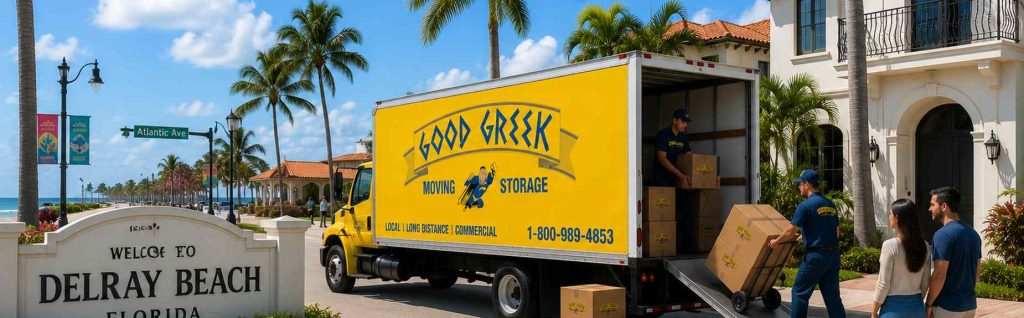
Wherever the migration trends are pointing, making the move itself smooth is what matters most. As a family-owned, full-service moving company, Good Greek Moving & Storage handles local and long-distance relocations with trained crews—we never broker your move out to a third party.
From packing and storage to auto transport, our team manages the details so you can focus on settling into your new home.
U.S. Migration Trends: Frequently Asked Questions
What states are people moving to most?
Warmer states across the South and Southwest, including Florida, consistently attract large numbers of new residents. Affordability, favorable tax conditions, and milder climates are common reasons.
Why are so many people leaving big cities?
High housing costs and the flexibility of remote work have led many residents to leave dense urban cores. Suburbs and more affordable regions offer more space and lower expenses while still providing access to jobs.
How do I choose the right place to move?
Consider cost of living, job opportunities, climate, and lifestyle preferences together rather than focusing on just one. Visiting an area before committing and researching neighborhoods helps you decide confidently.