
How to choose between a local mover and a long-distance mover?
The dividing line sits at roughly 50–100 miles plus a state border. Below that, it’s a local move regulated by FDACS. Above, it’s a long-distance move requiring FMCSA registration and a USDOT number.
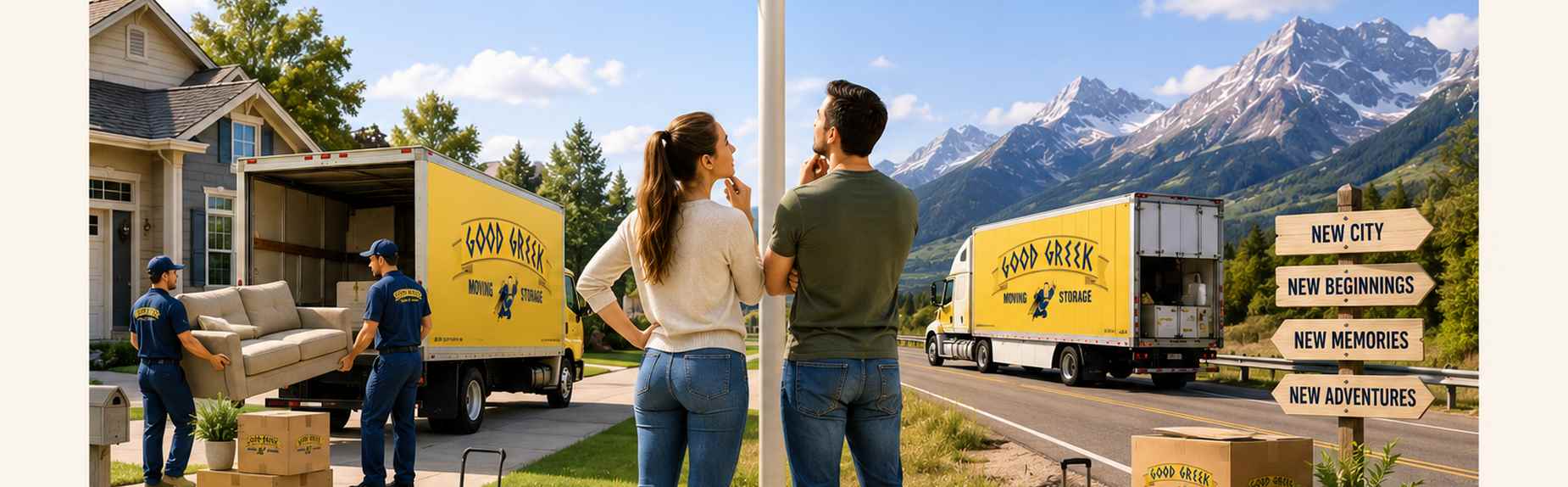
Not sure whether you need local or long-distance movers in Florida? With so many types of movers out there, finding the right moving company for a relocation is not always easy. That’s why at Good Greek Moving & Storage we cover it all — local, long-distance, and even worldwide. You already know that longer moves require specialized solutions. Here are the important differences between local movers and those who handle cross-country (or country-to-country) moves.
Long-Distance Move: Key Takeaways
- The dividing line is 50–100 miles plus state borders. Below: a local move regulated by FDACS. Above: a long-distance move requiring FMCSA registration and a valid USDOT number
- Pricing models differ completely. Local = hourly + crew size; long-distance = weight + distance + services. Always demand a binding estimate before signing
- Compliance is the biggest differentiator. Long-distance movers need USDOT numbers and FMCSA registration. DIY or unlicensed operators = rogue mover risk
The main differences between local movers and long-distance movers
Six differences shape the decision: distance, timeframe, regulation, pricing, services, and planning. Each one shifts as the move scales up.
Moving companies will vary in the types of services they provide. While some cover both intrastate and interstate moving, others might limit their services to a defined area or region. Here are the differences you can expect between a local mover and a long-distance moving company.
Difference 1: Distance equals to 50–100 miles vs nationwide and international
Local movers cover a 50–100-mile radius. Long-distance movers transport belongings throughout the country and internationally.
Naturally, distance is the clearest factor that affects the type of move you require. Local movers usually operate in a well-defined, limited area — for instance, not extending services beyond a 50–100-mile radius. In contrast, long-distance movers are equipped for the transportation of belongings throughout the country and internationally.
Difference 2: Timeframe about moving on a single-day vs multi-day cross-country
Local moves usually complete in a single day; long-distance moves run multi-day with route planning around weather, traffic, and stops.
Moving companies often aim to complete local moves within a single day. Effective time management is one of the core features of a successful move. Regardless of distance, movers aim to work within strict time schedules that limit disruption to their clients. Long-distance moves layer in route planning, mandatory driver rest periods, and weather contingencies.
Difference 3: Moving Regulation about FDACS (state) vs FMCSA + USDOT (interstate)
Florida intrastate moves are regulated by FDACS. Interstate moves require FMCSA registration and a valid USDOT number.
Moving companies are required to comply with state and federal regulations (including OSHA), but oversight differs between a local Florida move and a cross-country relocation. Local Florida moving is regulated by the Florida Department of Agriculture and Consumer Services (FDACS), and companies must adhere to their rules. Interstate moving is regulated by the Federal Motor Carrier Safety Administration (FMCSA), and movers must maintain a valid USDOT number.
Difference 4: Moving Pricing considering hourly + crew size vs weight + distance
Local movers charge hourly with crew-size multipliers. Long-distance movers price by shipment weight and total mileage, plus services.
Moving companies offer different pricing structures, but more than likely similarities will exist. Local movers may charge on an hourly basis, factoring in the size of the team required to move all items. Long-distance moving often uses weight of the items and distance required. In this case, be sure you get an estimate for accurate, upfront costs — ideally a binding flat-rate quote.
Difference 5: Services offered such speed-focused vs full-service with auto transport and storage
Smaller local movers focus on speed and limited services. Long-distance movers provide auto transport, storage, packing, and more.
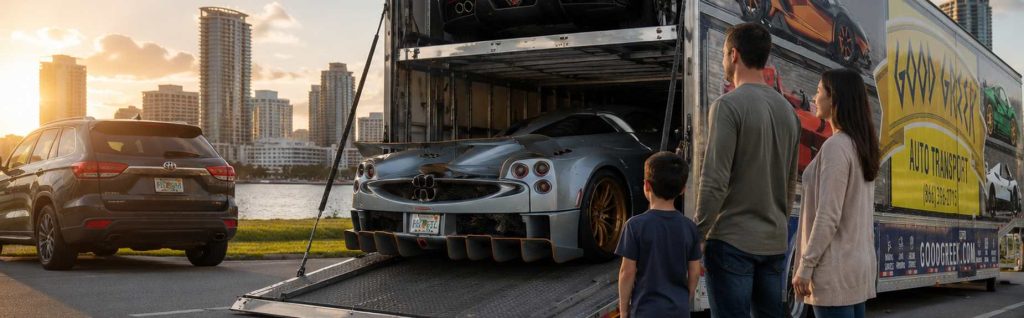
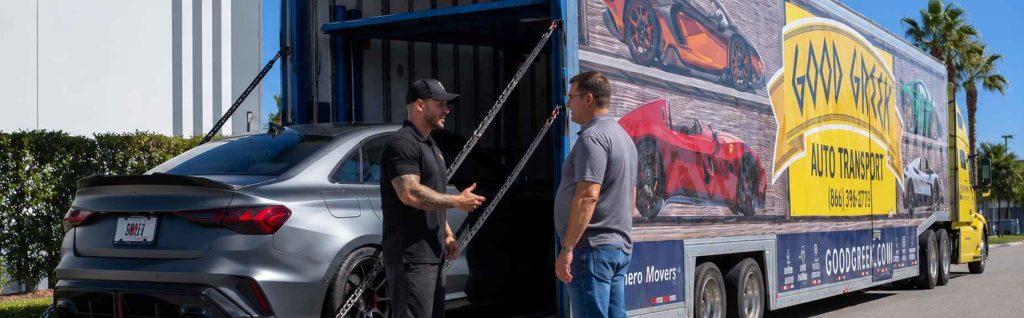
Smaller local movers are likely to offer a limited number of services and keep a focus on speed and efficiency. In contrast, long-distance movers must provide many services, including auto transport, storage, packing, and more. When you choose a full-service mover like Good Greek Moving & Storage, your relocation will be customized to your needs.
Difference 6: Planning and logistics with light vs route + inventory + packing
Local moves need light organization. Cross-country moves require route planning, full inventory assessment, and specialized packing.
While local moves still require careful organization to be stress-free, cross-country movers must use a more advanced approach to planning and logistics. To ensure safety and time efficiency, a long-distance move must prioritize route planning, inventory assessment, safe packing and loading techniques, and more.
Hire Florida’s trusted local and long-distance moving company
If you need a dependable moving partner for local or long-distance relocations, Good Greek Moving & Storage is the name you can trust. Operating across Florida, Nevada, and serving nationwide, Good Greek combines moving, packing, storage, and auto transport under one brand. Call (561) 683-1313 or request a free moving quote now.
Long-Distance: Frequently asked questions
When does a move become “long-distance” vs “local”?
Most movers draw the line at 50–100 miles or any move that crosses a state border. Interstate moves automatically count as long-distance and require FMCSA-registered movers. Intrastate moves under 100 miles are local and follow state rules (FDACS in Florida).
How are long-distance moves priced?
Long-distance moves are priced by weight (or volume) of items, distance traveled, and additional services (packing, storage, specialty items). Good Greek Moving & Storage offers flat-rate pricing on long-distance moves, no surprise charges on moving day.
What’s the difference between long-distance, interstate, and cross-country moves?
Long-distance generally means moves over 400 miles. Interstate moves cross state lines and require FMCSA-registered movers. Cross-country moves typically span coast-to-coast, the longest type of domestic relocation. Good Greek handles all three.
Do I need different insurance for a long-distance move?
Yes. Long-distance carriers are required by FMCSA to offer Released Value Protection (free, 60 cents per pound) and Full Value Protection (paid, repair or replace). Always confirm the protection level before signing the contract. Local moves follow state-set insurance minimums that vary by state.