
How Do I Move Collectibles Safely?
Moving collectibles can seem stressful, but getting them from Point A to Point B safely comes down to a clear process: identify your valuable items, research the right way to store and move each one, gather the materials you need, and hire a professional moving company to transport them.
Moving collectibles safely — along with valuable items like pianos and artwork — is part of what Good Greek Moving & Storage does for its clients. With decades of experience, Good Greek has moved countless collectibles, pieces of art, and pianos. But safe transport starts with you and how you prepare your home for the move.
Moving Collectible Items: Key Takeaways
- Identify your collectibles early — many people own valuable items (cards, figures, records) without realizing it.
- Every collectible has its own storage and packing rules; research each type before you pack.
- Use the right materials — bubble wrap, packing paper, protective sleeves, and plenty of boxes (don’t overpack).
- For valuable or numerous items, hire professional movers who can advise, pack, insure, and load them safely.
What counts as a collectible?
Searching for collectibles should be part of cleaning out your home before a move — and especially when you prepare to downsize. Take time to see what’s hiding in the attic or the back of a closet. Many people own collectibles without knowing it, according to AARP. Commonly overlooked items include:
- Action figures
- Barbies
- Baseball cards
- Coca-Cola advertising pieces
- Comic books
- Vintage furniture
- Pokémon cards
- Sports memorabilia
- “Star Wars” merchandise
- Vintage tools
- Old records
When in doubt, have the item checked out — don’t rely on your own judgment. Something you’ve seen as clutter for years, or boxed up and forgotten, may carry real value to a collector.
Research how to store and pack collectibles
Every type of collectible has its own storage rules. Comic books should be backed with cardboard and sealed in protective plastic sleeves made for comics. Action figures are worth more kept in the original box. Old records belong in their original sleeves. Most of these specifics are easy to find on sites dedicated to your particular collectible — do that homework before you pack, because the right method protects both the item and its value. For temperature-sensitive pieces, climate-controlled storage is worth considering during a transition.
Get the right materials to move collectibles
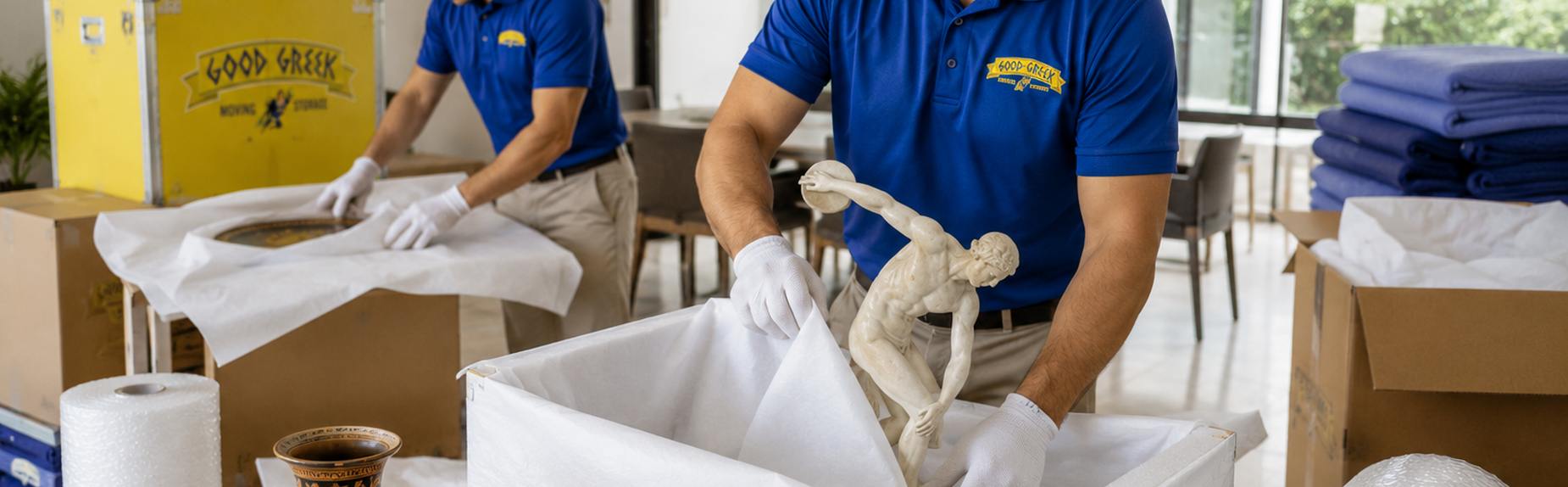
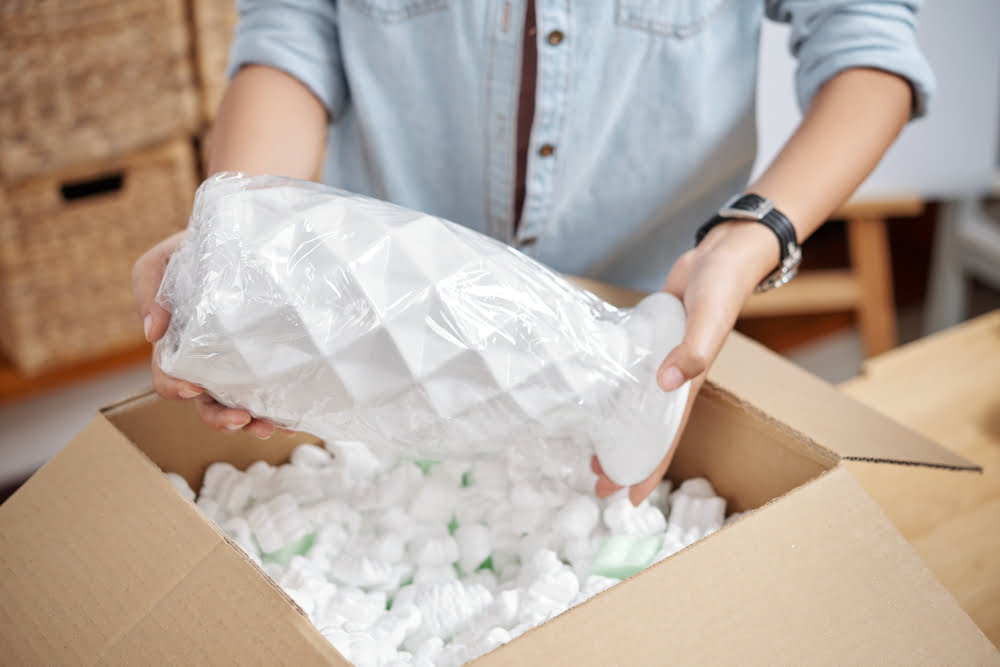
The comic sleeves above aren’t expensive, but they’re necessary — and knowing how to pack your specific type of collectible matters. Stock up on the packing supplies used for most collectibles: bubble wrap, packing paper, and protective blankets. For fragile items:
- Wrap each item individually, taking care not to get tape on the item itself
- Add a layer of bubble wrap for protection
- Pad boxes with plenty of cushioning (like crushed packing paper)
- Don’t overpack boxes with too many collectibles or fragile items
- Fill any gaps inside the box with packing paper, and add a layer on top
Get more boxes than you think you’ll need so you’re never tempted to crowd too many collectibles into one. Labeling each box clearly — and marking fragiles — makes unpacking safer too; see how to label moving boxes and the 11 must-have packing supplies.
Hire professional movers for valuable collectibles
It’s tempting to move everything yourself. For a single item of deep personal value — family jewelry passed down through generations, for example — you may want to carry it in your own car. But for many items, or larger and very expensive ones, hiring experienced professionals is the way to go. Professional movers are the right choice for collectibles because they:
- Often carry all the packing materials you need
- Can advise on best practices for packing collectibles
- Can connect you with a third-party insurer so you’re covered if anything happens in transit
- Know how to safely load items onto the truck to prevent damage
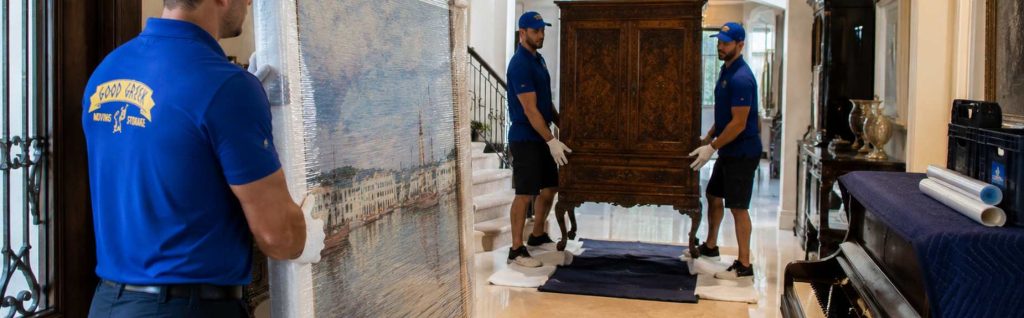
For art, antiques, and other high-value pieces, Good Greek’s white-glove moving services and professional packing add an extra layer of protection, and it’s worth reviewing your moving insurance options before move day.
Move your collectibles with confidence
Taking these steps — identifying important collectibles, storing and packing them correctly, and getting them transported safely — protects both your items and your peace of mind. It also takes the stress out of moving your most valuable possessions. A little planning goes a long way.
Planning a move? Call (561) 683-1313 or request a free moving quote today.
Moving Fragile Items: Frequently asked questions
How do I know if something is a valuable collectible?
When in doubt, have it appraised or checked against collector sites — don’t rely on your own judgment. Commonly overlooked collectibles include trading cards, action figures (especially in-box), comic books, vintage furniture and tools, sports memorabilia, and old records.
What’s the best way to pack collectibles for a move?
Use materials suited to each item — protective sleeves for comics and records, original boxes for figures — plus bubble wrap, packing paper, and sturdy boxes. Wrap each piece individually, cushion well, avoid tape on the item, don’t overpack, and fill all gaps.
Should I move collectibles myself or hire movers?
A single sentimental item can ride in your own car. For many items, or large and expensive ones, hire experienced movers — they bring the right materials, packing know-how, third-party insurance options, and safe loading techniques.
Are my collectibles insured during a move?
Basic Released Value coverage (about 60 cents per pound) is minimal for valuables, so ask about Full Value Protection or a third-party insurer. A reputable mover will explain your options clearly before move day.
Does Good Greek handle art, pianos, and antiques?
Yes, Good Greek offers white-glove moving for art and antiques, expert piano moving, and professional packing for collectibles, all backed by decades of experience. Call (561) 683-1313 or request a free quote.