


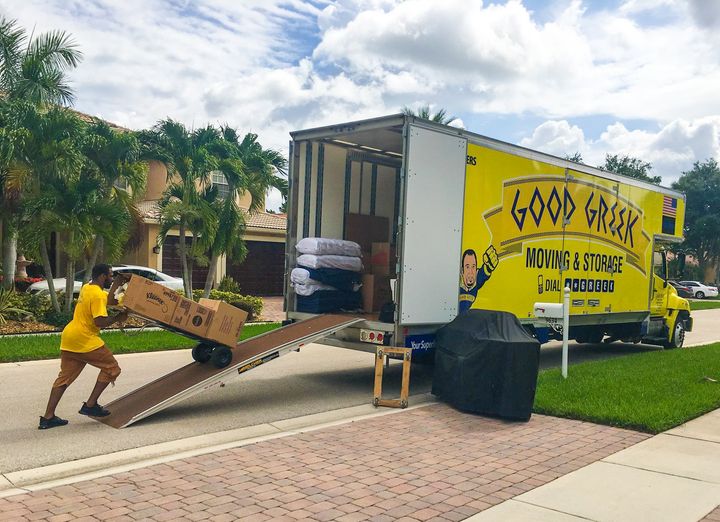
Why moving cost is hard to estimate upfront?
Total move cost = size & weight + distance + services + insurance. The local average is roughly $1,500; long-distance averages $5,000 for a 2–3 bedroom home over 1,000 miles.
When you start preparing for a move, cost is one of the first factors you want to consider. However, it can sometimes be difficult to know what you’ll pay, because a variety of factors go into calculating the cost of a move.
When you contact a mover, they should use the following factors in determining price. It’s highly recommended to work only with movers who will give you an accurate, free estimate and a guaranteed price before the move starts. That prevents them from increasing the price after your belongings are on the truck, which is one of the biggest scams done by bad-faith movers.
Moving Cost: Key Takeaways
- Moving cost = size & weight + distance + packing services + insurance. Always get a guaranteed (binding) price before the truck is loaded, that single document blocks the #1 mover scam (price-up at delivery).
- Average benchmarks: local move ~$1,500; long-distance move ~$5,000 for a 2–3 bedroom home with 7,500 lbs over 1,000 miles. Always get 3+ in-home estimates before booking.
- Real savings come from purging before the move (garage sale offsets cost), staying flexible on dates (off-season discounts), and confirming the mover is FMCSA-registered with a valid USDOT number for interstate moves.
4 factors that determine moving cost
Every legitimate mover prices the same four line items: how much you’re moving, how far, what services you add, and the insurance level you choose.
The following are the legitimate, real factors that moving companies use to determine how much a move will cost. Get more than one estimate if the pricing seems far too high or far too low.
1. Size and weight of the move
Movers price by labor hours and total weight. Stairs, antiques, fragile items, and number of rooms each add time — and time is money.
Movers base their rate on the time they estimate to move your items, which depends on accurate weight and volume measurements. Common factors:
- Does the move involve stairs?
- Does the move involve a lot of big items difficult to move?
- Does the move involve a lot of rooms?
- Does the move involve antiques or fragile items requiring extra time?
Professional movers assess the situation and determine a fair price for labor and the number/weight of items.
2. Distance to your new home
Fuel cost and price-per-mile drive the math. Interstate moves cost more than across-town — confirm mileage and per-mile rate with each company.
Fuel costs are part of the equation. Movers will want exact mileage between your current home and the one you’re moving into. Interstate moves cost more than across town. Price per mile varies — check with each company you contact to find out their rate.
3. Packing services and supplies
Full-service packing adds labor cost; DIY packing means you buy supplies separately. Either way, packing materials are a real line item.
Full-service moving companies offer professional packing services where they handle boxing up all your items — this comes with an additional charge. They also offer packing materials and supplies if you pack yourself, another area where you’ll pay extra. In both cases, you’re getting either professional packing or high-quality moving supplies.
4. Moving insurance and valuation coverage
Default coverage is by weight, not value. For high-value items, request Full Value Protection or third-party insurance.
Movers are required to provide a basic insurance policy that pays for anything damaged, but it’s based on weight, not value — typically $0.60 per pound per item under federal regulation. Check your current homeowner or renter insurance policy to see if it covers moves. Legitimate movers also offer third-party Full Value Protection insurance to cover your belongings at actual replacement cost.
How to get the best price on a move
Comparison shopping + flexible dates + a pre-move purge are the three highest-ROI ways to bring your final quote down without sacrificing service quality.
Comparison shopping is where to start when trying to get the best price. Keep in mind: best price does not always mean best service. You want the “sweet spot” where the price is reasonable and the service is high quality.
You can handle your own packing and skip extra insurance, but each comes with risks (and, for packing, extra labor).
It’s also smart to stay flexible. If discounts are available for moving during “off times” (mid-week, mid-month, October–April), try to shift your schedule.
Also, a purge of your household can greatly reduce the amount you need to move, which reduces cost. Think about a garage sale to offset the cost of the move.
The most important thing: ensure you’re dealing with reputable, licensed movers with a solid reputation. That alone will save you money and a lot of stress. Verify mover credentials at the FMCSA’s Mover Search tool and check the company’s BBB rating.
Average moving cost benchmarks for 2026
Use these averages as a sanity check on the quotes you receive — anything dramatically below average is a red flag, anything dramatically above deserves a second opinion.
- Local move (under 50 miles, 2–3 bedroom): ~$1,500 depending on time of year, stairs, and packing add-ons.
- Long-distance move (1,000 miles, 2–3 bedroom, ~7,500 lbs): ~$5,000 — varies by season, route, and access at both ends.
- Packing services add-on: $1,000–$2,000 for a typical 2–3 bedroom home, depending on fragile items count.
- Auto transport (long-distance): $700–$1,500 per vehicle, depending on distance and open vs. enclosed carrier.
Planning a move? Get a free moving quote from Good Greek Moving & Storage — serving Florida, Nevada, and nationwide. Call (561) 683-1313 for a guaranteed price.
Moving Cost: Frequently asked questions
What’s the average cost of a local move in 2026?
A local move (under 50 miles, 2–3 bedroom home) averages ~$1,500 in 2026. Smaller apartments run $400–$800; larger homes with stairs, packing services, and specialty items can reach $3,000+. Local movers typically charge hourly rates ($100–$200/hour for 2 movers + truck) rather than weight-based pricing.
What’s the average cost of a long-distance move?
Long-distance moves (over 100 miles) average ~$5,000 for a 2–3 bedroom home (~7,500 lbs) over 1,000 miles. Pricing is weight-based plus distance — expect $0.50–$1.00 per pound plus per-mile fuel charges. Long-distance move pricing breaks down what to expect by route.
How do I avoid moving company scams?
Top three red flags for moving scams: (1) refusing an in-home estimate, (2) demanding large deposits upfront, (3) no USDOT number on the truck or invoice. Verify any interstate mover at the FMCSA Protect Your Move site before booking. The most common moving scams breakdown covers the rest.
Should I get a binding or non-binding estimate?
Binding estimates lock in your final price before the truck loads — recommended for nearly all moves. Non-binding estimates let movers re-price based on actual weight at the warehouse, which is where the “price-up at delivery” scam happens. For interstate moves, federal law allows movers to charge up to 110% of a non-binding estimate at delivery — but no extra on a binding estimate. Always ask for binding.