
Things to Know Before Renting a Self-Storage Unit
There are many reasons people turn to public or self-storage services. Often it’s because they’re moving and the new home isn’t ready yet. In other cases, people simply haven’t had time to go through everything and want to store it temporarily before sorting it out.
It’s not only people who are moving, either. Many use safe, secure storage services for valuables like artwork, and businesses use storage for extra furniture and equipment while a new office is built. Whatever the reason, America’s use of storage keeps rising — as of 2025, about 1 in 3 Americans (roughly 33%) use self-storage, with limited space the No. 1 reason people rent.
Storage Facility: Key Takeaways
- Before renting a self-storage unit, ask your mover — many moving companies offer storage as part of their services.
- Match the storage unit size to your belongings (small ≈ stacked boxes; large ≈ a master bedroom), and prioritize security and convenient location.
- Climate-controlled storage protects wood, metal, electronics, records, plastic, and antiques from heat and humidity damage.
- Never store flammable or hazardous materials, food, or plants — and pack smart to save on storage costs.
1.What size storage unit do I need?
This is the first thing most people figure out. Units typically come in small, medium, and large sizes, so start by confirming the exact dimensions. Estimate your needs by grouping belongings from each room into piles and measuring — roughly a 5×5 area equals about 25 square feet of storage. A small unit holds little more than stacked boxes and maybe a small mattress, a medium fits a mid-sized bedroom, and a large handles a full master bedroom. (Labeling everything clearly helps — see how to label moving boxes.)
2.What do I need to rent a storage unit?
You’ll need a valid, government-issued ID — a driver’s license, state ID, passport, or military ID. You’ll also sign a contract with the storage facility that spells out all the rules for using the unit, so read it before signing.
3.What should I look for in a storage facility?
Security comes first: look for 24/7 CCTV, on-site staff or guards, and secure, gated grounds. Choose a unit with 24-hour access if you think you’ll need it, and pick a convenient location — don’t try to save a few dollars by renting far from where you live, or every trip becomes a chore. Secure storage facilities with strong monitoring are worth the peace of mind.
4.How much does a storage unit cost?
Cost is driven mainly by unit size. While most storage services offer month-to-month contracts, they typically discount longer terms — and prices can rise when availability is low. Compare a few facilities, and ask your moving company whether bundled storage works out cheaper than a standalone unit.
5.How can I save on storage unit costs?
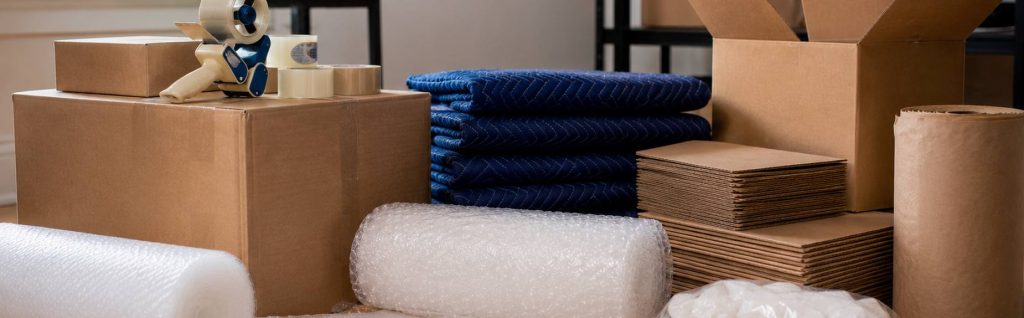
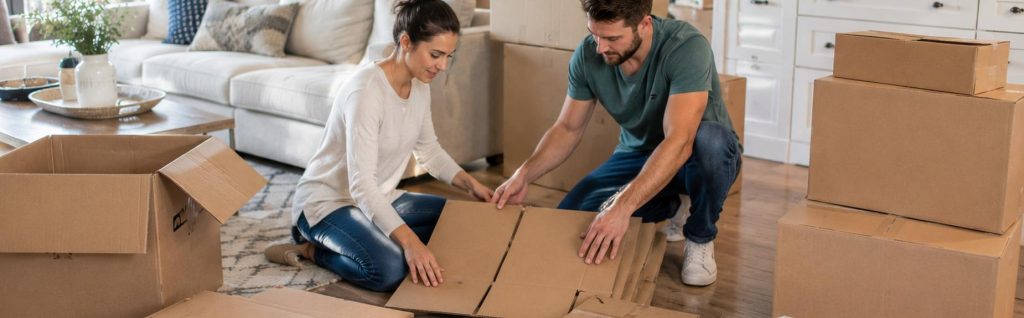
The most proven way to save on storage is to pack efficiently. Use all the vertical space by stacking boxes toward the ceiling, take furniture apart to store it in pieces, and fill gaps as you load. Just leave an aisle down the middle so you can reach the boxes in back. Smart packing means a smaller (cheaper) unit — one of many ways to save money on your move.
6.How do I transport my belongings to storage?
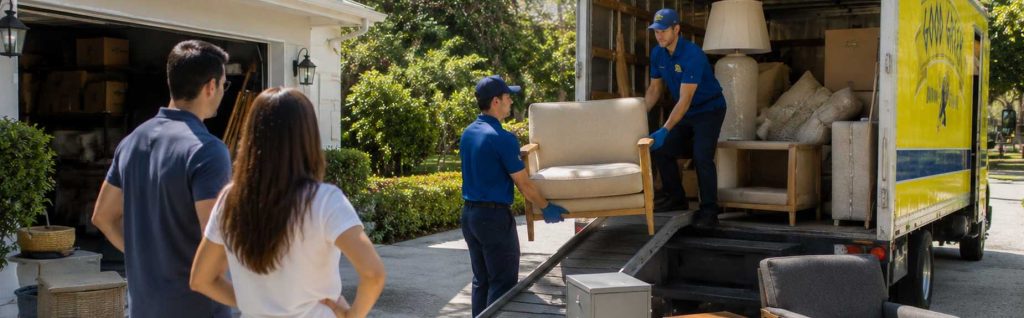
If your storage is offered through a moving company, they’ll often transport your goods to the unit for an added fee. Some storage operators also provide trucks so you can move your items yourself. Sort out transportation before signing a contract — you don’t want to get stuck shuttling everything in your own car. (Here’s how storage solutions can assist your move.)
7.Do I need climate-controlled storage?
Climate-controlled storage is essential for certain items. Without it, your belongings are exposed to extreme heat, cold, and humidity that can cause mildew and damage. According to U.S. News, use a climate-controlled unit for:
- Wood furniture — wood cracks in extreme heat and warps or molds in humidity.
- Metal — high humidity causes rust.
- Electronics — extreme temperatures and humidity shorten their lifespan.
- DVDs, CDs, and vinyl records — picture and sound quality degrade outside room temperature.
- Plastic — heat melts it; cold cracks it.
- Antiques — protect older furniture and artwork from temperature extremes.
In Florida’s heat and humidity especially, climate control is well worth it for anything valuable or sensitive.
8.What items can’t go into a storage unit?
Some items should never go into storage — and the facility won’t allow them anyway. These include flammable, combustible, or hazardous materials. You also can’t store food (it spoils and attracts pests) or plants (they die quickly). For anything you don’t want to keep, a junk removal service or some decluttering before you store is a smart move.
Storage as part of your move
Storage services offer an affordable way to keep belongings safe temporarily — perfect when your new home isn’t ready or you’ve run out of time to sort through everything. Planning ahead and choosing the right unit makes all the difference; our move planning guide helps you fit storage into the timeline.
Need temporary storage as part of a move? Call a Relocation Specialist at (561) 683-1313 or request a free quote to discuss your needs.
Does Good Greek offer storage with moving?
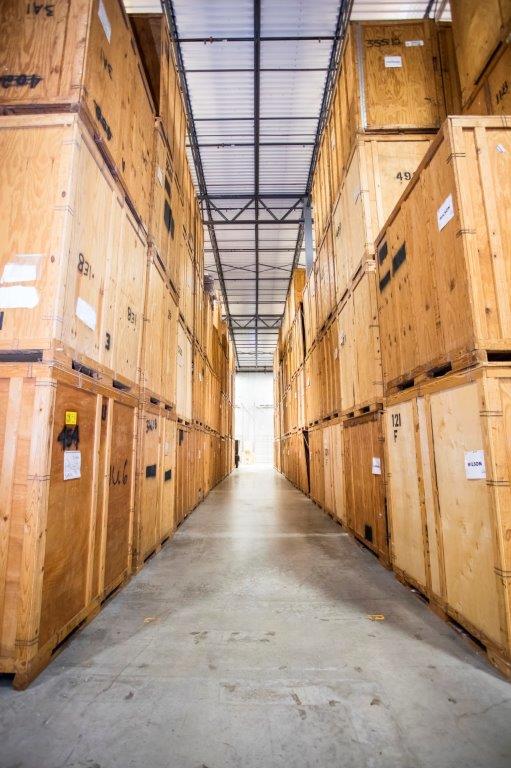
Yes, Good Greek provides clean, secure, climate-controlled storage as part of its full-service moving, including transport to and from the unit. Call (561) 683-1313 or request a free quote.