
Choosing the right storage facility can make or break a move. The right unit keeps your belongings safe, saves you money, and gives you one less thing to worry about during a busy relocation. The wrong one leaves you overpaying for space you don’t use, driving across town for every visit, or worrying about heat and humidity damaging what’s inside. Whether you need somewhere to keep furniture between homes, free up space at the house, or hold inventory for a business, here’s how to choose a storage unit that actually fits your needs.
Storage Facilities: Key Takeaways
- Start with the “why.” Short-term move storage, long-term storage, and business storage each call for a different unit size, location, and set of features.
- Size and protection matter most: do a quick inventory before you book, and prioritize security and climate control so your belongings stay safe.
- A full-service mover like Good Greek can move and store your items together, so nothing gets handled—or paid for—twice.
Determine why you need a storage unit
Before you compare facilities, get clear on why you need storage in the first place, because the reason shapes every other decision. If you’re bridging the gap between selling one home and closing on another, you may only need a unit for a month or two and will want easy access. If you’re decluttering to stage a home for sale, you might store bulky furniture short term. Downsizing, a long deployment, a college semester abroad, or seasonal items like holiday decor and patio furniture all call for longer commitments. Businesses storing documents, equipment, or inventory have their own needs around access hours and security. Naming your “why” up front keeps you from paying for the wrong size or signing a longer lease than you need.
Take stock of what you’re storing
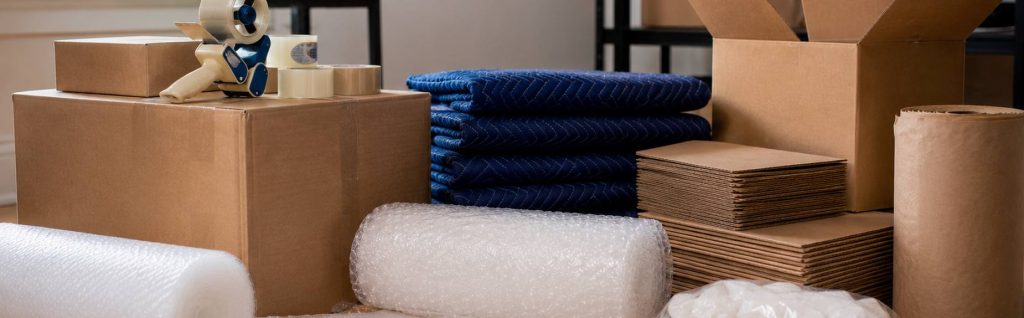
Once you know why, take stock of what’s actually going into the unit. Walk through each room and make a rough inventory—furniture, boxes, appliances, and anything oversized like a mattress, sofa, or exercise equipment. Flag fragile or valuable pieces such as electronics, artwork, and antiques, since those may need extra padding and climate control. Note anything you’ll need to reach often, because that changes how you pack the unit and how convenient the location should be. A clear inventory not only helps you choose the right unit size, it also makes it easy to get an accurate moving and storage quote instead of a rough guess.
Choosing a storage facility location
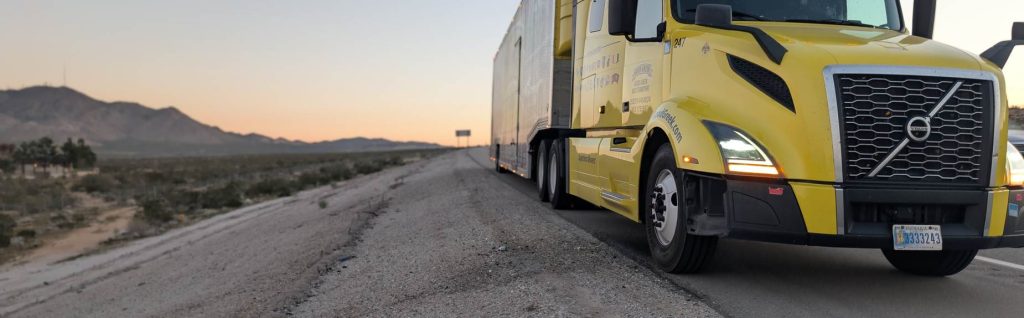
Location affects both cost and convenience. A facility close to your current home is ideal if you’ll be loading and unloading often, while one near your new place makes sense if you’re moving and plan to retrieve items gradually. If you’re relocating a long distance, a unit along your moving route—or storage offered by your mover—can save an extra trip entirely. Look at access hours, too: some facilities offer 24-hour access, while others limit visits to business hours. Weigh the drive time and gas against the monthly rate, since a slightly cheaper unit across town can cost you more in the long run.
What size storage unit do you need?
Storage units typically range from a 5×5 closet-sized space to a 10×30 unit that fits the contents of a large home. As a rough guide, a 5×10 holds the contents of a studio or a few rooms of boxes, a 10×10 works for one or two bedrooms, a 10×15 suits a small house, and a 10×20 or larger handles a full multi-bedroom home plus appliances. When in doubt, size up slightly—cramming a unit makes it hard to reach anything and risks damage, while a little breathing room lets you stack safely and access items without unloading everything.
Assess the storage facility’s security and features
Not all facilities are created equal, so assess security before you sign. Look for gated access with a personal code, security cameras, good lighting, and on-site staff. Individually alarmed units, sturdy doors, and quality locks add another layer of protection. Walk the property if you can: clean, well-maintained hallways and clear pest-control measures are good signs, while standing water, debris, or a musty smell are red flags. Ask about insurance options too, and check whether your homeowner’s or renter’s policy already covers stored belongings so you’re protected against the unexpected.
Climate-controlled vs. standard storage
In Florida’s heat and humidity, climate control is more than a luxury. Standard units are fine for items that shrug off temperature swings—tools, patio furniture, plastic bins—but wood furniture, electronics, photographs, important documents, musical instruments, and anything leather or upholstered can warp, crack, or grow mildew without it. Climate-controlled units hold a steady temperature and humidity level year-round, which is well worth the modest price difference for anything you care about keeping in good shape, especially for long-term storage through a humid Florida summer.
Why choosing the right storage unit matters
Putting in the effort up front pays off in three ways: your belongings stay protected, you avoid paying for space or features you don’t need, and you take real stress out of your move. A unit that’s the right size, in the right location, with the right security and climate control turns storage from a headache into a simple, dependable part of your relocation plan.
How Good Greek makes moving and storage easy
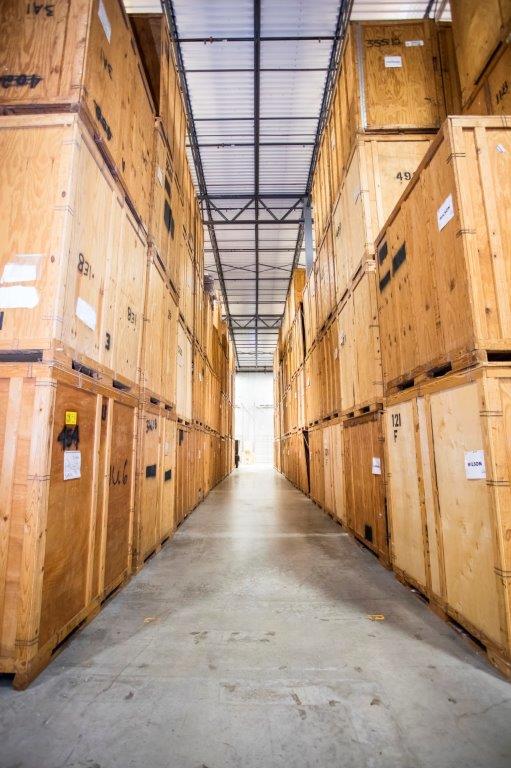
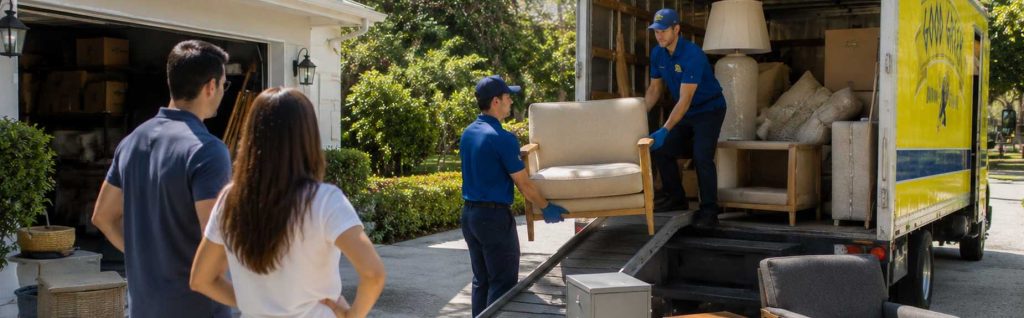
Good Greek Moving & Storage takes the guesswork out of it by handling your move and your storage under one roof. Our clean, secure, climate-controlled facilities protect your belongings, and because the same trusted team that packs and moves your items can store them, nothing has to be loaded, unloaded, and reloaded by strangers in between. Whether you need short-term storage during a move or a long-term solution across Florida, we make it simple.
Call For a Free Moving Estimate: (561) 683-1313
Storage Facilities: Frequently Asked Questions
What size storage unit do I need?
It depends on how much you’re storing. A 5×10 unit fits a studio or several rooms of boxes, a 10×10 holds one to two bedrooms, and a 10×20 handles a full home with appliances. Do a quick inventory first, and when you’re between sizes, choose the larger one so you can stack safely and reach your items.
Do I need climate-controlled storage in Florida?
For anything sensitive to heat or humidity—wood furniture, electronics, photos, documents, leather, or instruments—yes. Florida’s climate can warp, crack, or mildew these items in a standard unit. For tools, plastic bins, and patio gear, a standard unit is usually fine.
Can a moving company store my belongings?
Yes. Full-service movers like Good Greek offer secure storage as part of your move, so the same team can pack, transport, and store your belongings. That means less handling, fewer trips, and one point of contact for your whole relocation.